Nitrate of soda, scientifically known as sodium nitrate (NaNO3), is a versatile compound that has played a crucial role in various industries throughout history. From agriculture to manufacturing, this compound has proven itself indispensable. Let’s delve into the fascinating story of Nitrate of soda, exploring its uses, historical significance, and impact on different sectors.
Historical Roots
The history of Nitrate of soda is intertwined with the development of the mining industry. Deposits of sodium nitrate were discovered in Chile’s vast and arid landscapes in the early 19th century. The substance was initially known as “Chile saltpeter,” reflecting its origin and economic importance.
As demand grew, Nitrate of soda became a sought-after commodity, sparking a thriving industry in Chile and beyond.

Workers loading nitrate onto ships, Pisagua, Chile, 19th Century. In 1810 large nitrate (salitre or saltpeter) deposits were discovered in the Corregimiento de Tarapaca, and Pisagua became an important port due to its major role in the export of this product.
Agricultural Marvel
One of the primary and enduring uses of Nitrate of soda is in agriculture.
Its high solubility in water makes it an excellent source of nitrogen, a vital nutrient for plant growth. Farmers worldwide have utilised Nitrate of soda as a nitrogen-rich fertiliser to enhance soil fertility and promote robust plant development.
Its effectiveness in providing immediate nourishment to crops has made it a staple in modern agricultural practices.
Industrial and Manufacturing Uses for Nitrate of soda
Nitrate of soda’s applications extend beyond agriculture and explosives. It serves as a reducing agent, decolourising agent, and even a component in producing certain chemicals in various industrial processes.
Its solubility and chemical properties are valuable in diverse manufacturing sectors, including glass, dyes, and metal treatment.
Explosive Applications
During the early 20th century, Nitrate of soda found another critical application – in producing explosives. Ammonium nitrate, a derivative of Nitrate of soda, became crucial in manufacturing explosives and munitions.
This application played a significant role during wartime, highlighting the compound’s versatility in peaceful and wartime industries.
Other industry uses for Nitrate of soda
Some other sectors where sodium nitrate is commonly used include:
- Food Preservation – Sodium nitrate is used as a preservative in cured meats, such as bacon and hot dogs, to prevent the growth of bacteria and extend shelf life. It also helps maintain the colour and flavour of the meat.
- Chemical Industry – Sodium nitrate is used in the chemical industry to produce various chemicals, including nitric acid, a precursor to many chemical compounds.
- Metallurgy – Sodium nitrate is used in specific metal treatment processes, such as surface hardening and corrosion prevention.
- Pharmaceuticals – In the pharmaceutical industry, sodium nitrate can be used to formulate certain medications and pharmaceutical products.
- Textile Industry – Sodium nitrate is used in dyeing and printing textiles, acting as an oxidising agent in some dyeing processes.
- Heat Transfer Fluids – Sodium nitrate is used in some heat transfer fluids, especially in solar thermal power plants, where it serves as a heat storage medium.
- Pyrotechnics Sodium nitrate is used to formulate certain fireworks and pyrotechnic devices as oxidising agents.

By inhibiting bacterial proliferation, sodium nitrate helps extend the shelf life of these cured meat products, contributing to their longevity and maintaining their quality over time.
As you can see, Nitrate of soda stands as a testament to the dynamic relationship between human innovation and the resources our planet provides. From its humble origins in Chile to its widespread applications across industries, Nitrate of soda continues to shape our world.
How can we help?
With extensive, well-established networks in the agricultural, mining, explosives, and other Nitrate-dependent industries, contact us today to delve into competitive pricing for Nitrate of Soda.
Ensure you maintain a leading position in your market and uncover how we can be a crucial partner in shaping your procurement strategy.
In the often-overlooked realm of soil lies a bustling ecosystem teeming with microorganisms, where a mere teaspoon of soil houses more life than the entire human population on Earth. This intricate world is vital in maintaining soil fertility, influencing nutrient cycling, enhancing plant growth, and even breaking down toxic substances.
Microbial Abundance and Importance:
Delving into the microscopic universe, we find staggering numbers: a kilogram of fertile soil can host 500 billion bacteria, 10 billion actinomycetes, and 1 billion fungi. These microorganisms play a crucial role in soil fertility by cycling nutrients, improving structure, and supporting plant health. They also act as nature’s recyclers, breaking down toxic substances through enzymatic activities.
Factors Influencing Microbial Presence:
Various factors, such as temperature, humidity, oxygen levels, soil pH, nutrient availability, and management practices, influence the presence and activity of microorganisms in the soil. Temperature, in particular, plays a pivotal role in microbial development; at very low temperatures, the enzymatic activity of these organisms is reduced, and protein denaturation may occur at high temperatures.
Humidity and oxygen concentrations also have an important role; in well-aerated soil, there will be greater energy production, a more significant population, and activity of microorganisms. For example, thiobacillus, vital in solubilisation, works more quickly under warm and moist conditions. Low temperatures slow the action of Thiobacillus bacteria.
Microbial Fertilisers and Their Role:
Microbial fertilisers contribute to soil and plant health, comprising bacteria, algae, fungi, and biological compounds. These microbes colonise the rhizosphere upon application, multiplying rapidly and producing trillions of beneficial organisms within a few days. These microbes can act as biological predators, producing antibiotics, enzymes against pathogens, and phytohormone production that benefit plant growth.
Microbial Benefits:
The advantages of soil microorganisms are multifaceted. They help control the spread of diseases through competition, antibiosis, parasitism, and resistance induction. These tiny life forms also play vital roles in nutrient mineralisation, phosphate solubilisation, and controlling soil salinity.

Microorganisms improve a plant’s ability to withstand environmental stresses like water scarcity by employing different mechanisms, such as producing substances that keep the roots hydrated.
Moreover, microorganisms aid in bioremediation, mitigating phytotoxicity and heavy metal contamination by metabolising these substances into inert forms. They enhance plant tolerance to abiotic stresses, such as water stress, through various mechanisms, including producing substances that hydrate roots.
Mycorrhizae – Nature’s Symbiotic Partners:
A significant player in the soil ecosystem is mycorrhizae, a mutualistic symbiosis between soil fungi and plant roots found in over 80% of vascular plants. This partnership enhances nutrient and water transfer, improves soil structure, and boosts plant vigour. Mycorrhizae secrete enzymes that break down nutrients, making them accessible to plants.
Biological Solutions for Sustainable Agriculture:
Highlighting the potential of microbial products, such as Redox Bactivate 3-5 Liquid and Reox Bactivate Biocult, we witness how specific strains of bacteria contribute to better and healthier soil and enhance overall crop quality. These products demonstrate benefits like improved nutrient uptake, soil-bound nutrient solubilisation, and enhanced environmental stress resistance.
How can we help?
In the intricate dance of soil microorganisms and mycorrhizae, we discover a symphony of life that sustains the very foundation of our agricultural ecosystems. By understanding and harnessing the power of these microscopic wonders, we pave the way for sustainable and resilient agriculture, ensuring the health of our soils and the prosperity of future generations.
Contact us today to explore how our microorganism solutions can contribute to your plant’s success. Your plants deserve the best; we’re here to help you achieve just that.
Article compiled by our Redox Agronomists
In the world of agriculture, the battle for survival against nature’s forces is relentless. Factors such as light deficiency, water scarcity, pests, diseases, salinity, wind, and phytotoxicity continually challenge the resilience of plants. To aid in this ongoing struggle, Redox, in collaboration with CJ Bio, introduces AMIBOOST® —a high-quality biostimulant enriched with specialized amino acids. This remarkable product is meticulously designed to bolster crop yield and quality, addressing the needs of various plant types and growth stages. These amino acids act as catalysts for the plant’s secondary metabolism, a vital part of its immune system, enabling plants to thrive even in the face of adversity.
But surviving under stress is not the epitome of plant health. Instead, the plant has to divert its resources from primary metabolism, which deals with growth and development, to cope with these challenges. This is where amino acids come into play as an essential tool to bolster the plant’s defences and recovery mechanisms. They act as biostimulants that can make all the difference in a stressful situation.
Recognising that it wouldn’t be a single front of management that would solve this battle. To effectively combat stress, amino acids should be part of a broader strategy. This strategy should include factors like soil fertility management, pest and disease control, and proper irrigation, all of which contribute to a plant’s overall health and reduce stress. And an inclusion of Amino acids serves as a boost in these challenging situations.
However, not all amino acids are created equal in this plant kingdom, and the “L-amino acids” are the superheroes. Each amino acid has a unique role in this intricate world of plant survival, combating biotic and abiotic stressors.
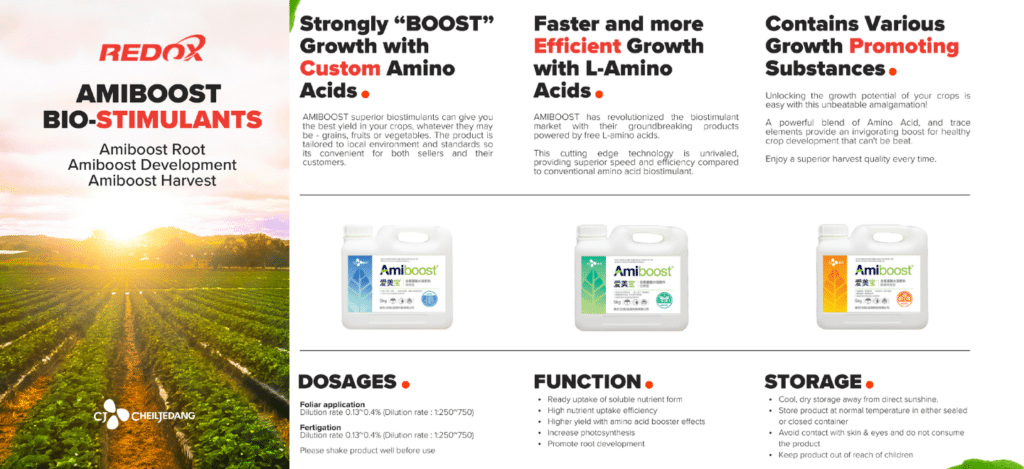
Introducing the future of agricultural excellence: The latest innovation, Amiboost ROOT, Amiboost DEVELOPMENT, and Amiboost HARVEST. AMIBOOST’s superior biostimulants redefine crop yields, whether you’re cultivating grains, fruits, or vegetables. Crafted to harmonize with your local environment and quality standards, this revolutionary product ensures convenience for sellers and satisfaction for their customers. Elevate your crop with Amiboost – the key to unlock exceptional performance.
Understanding Plant Stress
The term “plant stress” encompasses various factors that disrupt a plant’s normal functions. These can range from insufficient light, water scarcity, salinity, strong winds, phytotoxicity, and pest and disease attacks, hindering a plant’s total development.
Plants employ two metabolic strategies: primary and secondary metabolism. Primary metabolism is associated with growth, including plant development, root and leaf expansion, and photosynthesis activity. In contrast, secondary metabolism acts as a plant’s immune system, a survival mechanism for adverse conditions.
Enduring stress at the metabolic level isn’t healthy for plants. To thrive, they need to adjust their primary metabolism and activate secondary metabolism. This is where amino acids come into play as essential tools.
The Role of Amino Acids
Recognising that plant stress doesn’t arise from a single source is crucial. To effectively combat stress, amino acids should be part of a broader strategy. This strategy should include factors like soil fertility management, pest and disease control, and proper irrigation, all of which contribute to a plant’s overall health and reduce stress. Amino acids serve as a valuable bio-stimulant in these challenging situations.
Plants rely on proteins as they are the basic constituents of all living cells. First, it’s important to highlight that protein is formed by combining different amino acids; about 20 crucial amino acids can help plants grow accurately.
How does it happen? So, plants synthesise amino acids from the carbon and oxygen obtained from air and hydrogen from water in the soil, forming carbon hydrate through photosynthesis and combining it with the nitrogen the plants obtain from the soil. As a result, the synthesis of amino acids. L-Amino Acids are part of these proteins and have metabolic activity, including hormone and enzymatic functions, structure building, immune response, nutrient transport, etc.
However, an adverse situation can occur, and the plant cannot generate these important amino acids efficiently. Hence, feeding your plants L-amino acids makes them perform these functions efficiently and better, consequently minimising negative stress.
In this way, if the 20 amino acids can be directly supplied, it will help to overcome the limitations caused by plant stress.
The type of amino acid must be considered; products should contain L-amino acids, Laevorotatory amino acids, or L-amino acids, as those are the ones that plants can assimilate.
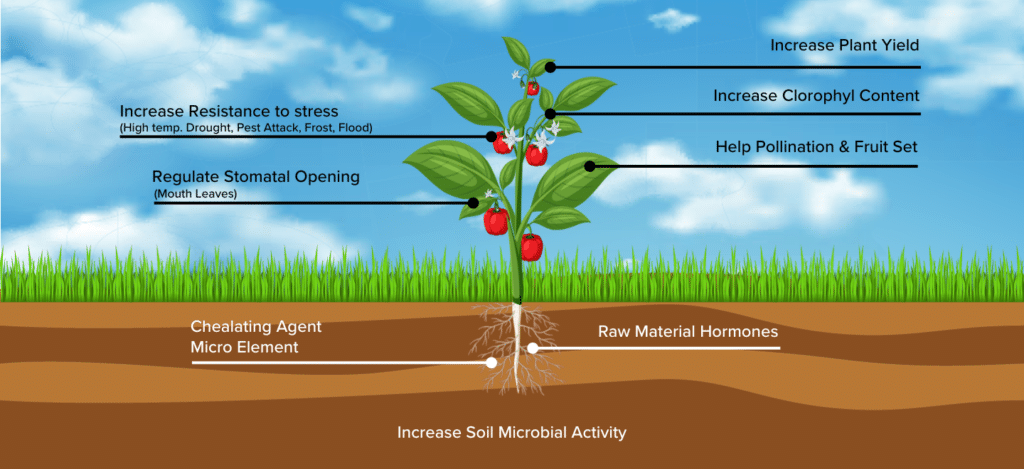
The Significance of Amino Acids in Plant Metabolism
Plants naturally synthesise about 20 amino acids that are indispensable for their metabolism. Think of these amino acids as the oil in a car engine. Just as a car needs the right type and quantity of oil to function correctly, plants require specific amino acids for their well-being. Without these amino acids, plants may require intervention to thrive.
Each phase of a plant’s development demands specific types and quantities of amino acids. Using amino acids at the right time physiologically activates a plant’s metabolism, promoting its growth.
By understanding the significance of different amino acids and how they function, we can better support plant growth, even in challenging conditions.
Understanding Biotic Stress
Biotic stress in plants results from pest and disease infestations within crops. What renders a plant susceptible to these attackers is its production of sugars and compounds that serve as a food source for them.
Amino acids like Tyrosine, phenylalanine, and tryptophan play a vital role in this scenario. They are directly linked to producing phenolic compounds in a plant’s secondary metabolism. These phenolic compounds act as natural defence mechanisms, functioning like antibodies that thwart disease development and make the plant’s sap less appealing to pests.
Plants Under Abiotic Stress
In the face of abiotic stress, compounds like Folcysteine come to the plant’s rescue. Folcysteine is a derivative of the amino acid cysteine, and its primary function is to counteract free radicals, reducing oxidation. This is especially crucial because Folcysteine serves as a sulphur source and contributes to the synthesis of glutathione, a vital molecule in a plant’s defence system.
Proline plays a pivotal role in mitigating the effects of stress, particularly when it comes to hydric (water) and saline stress. It’s an amino acid renowned for its association with drought resistance, functioning as an osmo-protective agent, similar to arginine. Proline stabilises the plasma membrane, preventing structural damage, such as weakening the cell wall, especially during conditions like excessive temperature increases or water scarcity.

Abiotic stress in plants refers to the negative impact of non-living factors or environmental conditions on plant growth, development, and overall health. Unlike biotic stress, which is caused by living organisms such as pests and pathogens, abiotic stress factors are non-living and typically relate to various environmental factors.
Glycine is a crucial player in chlorophyll composition, facilitating the process of photosynthesis. Additionally, it assumes a critical role in maintaining the plant’s internal osmotic balance. Glycine is often accumulated in plants facing various stressors like excess water, salinity, cold, heat, and freezing conditions, as it actively contributes to upholding the integrity of cell membranes, thereby sustaining photosynthetic efficiency.
Addressing Phytotoxicity in Plants
These damages impair the normal development of plants, as they are mostly related to the interruption of production or distribution of photoassimilates. Injuries prevent the leaf from carrying out photosynthesis and can be a factor in loss of productivity. Amino acids are essential allies to minimise these harmful effects and encourage plants to recover their photosynthetic capacity.
Being small molecules quickly absorbed, they begin to act on metabolism in a few hours, transporting toxic elements and promoting the restoration of regular cellular activity in plants.
Heavy metals from the soil or in formulations used in crop management, nutritional elements in excess or with a high salt content, are examples of agents that cause phytotoxicity.
Histidine is an effective amino acid in complexing heavy metals such as cobalt, nickel, zinc, and copper.
Again, glycine is an essential amino acid in the composition of chlorophyll, and the isoleucine and glutamic acid in the growth of meristems, which are new tissues.
Roles of some amino acids in Adverse Situation.
- Aspartic Acid: It is a nitrogen source essential for producing other amino acids.
- Glutamic Acid: This amino acid plays a crucial role in the growth of meristems, the plant’s new tissues. It also serves as a precursor for chlorophyll and other amino acids since it carries nitrogen sources.
- Alanine: Alanine actively participates in the formation and germination of pollen grains.
- Arginine: Arginine offers resistance to drought, acting as an osmoprotectant. It is also involved in photosynthesis, growth, and the transport of nutrients to reproductive complexes.
- Cysteine: Cysteine is a pivotal amino acid. In addition to being a source of sulphur, it plays a vital role in synthesising glutathione, a crucial molecule in a plant’s defence system. It also aids in stress tolerance.
- Phenylalanine: This amino acid is closely linked to the production of phenolic compounds in the secondary metabolism of plants. These compounds act as plant defence agents, functioning like antibodies to inhibit disease development and making the plant’s sap less attractive to pests. Phenylalanine is involved in synthesising lignin, tannins, flavonoids, and the formation of salicylic acid.
- Glycine (1st Mention): Glycine participates in the formation of glutathione, phytochelatins, and betaine glycine. Betaine glycine is a compound that accumulates in plants under water-stress conditions, aiding in maintaining photosynthetic efficiency.
- Glycine (2nd Mention): Glycine is also essential in the composition of chlorophyll. It plays a critical role in photosynthesis and in regulating the intracellular osmotic balance of the plant. This amino acid is mainly accumulated in plants under various stressful conditions, such as water scarcity, salinity, cold, heat, and freezing stress, as it helps preserve the integrity of cell membranes and maintain photosynthetic efficiency.
- Glutamate: Glutamate participates in the formation of amino acids like arginine, glutamine, and proline. It also acts as a precursor for the chlorophyll molecule.
- Histidine: Histidine is recognised as the most effective amino acid for complexing heavy metals such as cobalt, nickel, zinc, and copper.
- Isoleucine: Isoleucine plays a role in the growth of meristems, which are new plant tissues. It also contributes to forming other amino acids and pollen grain germination.
- Leucine: Leucine is another amino acid that forms other amino acids and plays a role in pollen grain germination.
- Lysine: Lysine is responsible for regulating pollen grain germination and stomatal regulation. It is also a vital nitrogen reserve in plants and activates chlorophyll.
- Methionine: Methionine is a precursor for ethylene, a hormone that influences fruit maturation. It is also responsible for sulphur incorporation in plants.
- Proline: Proline is an amino acid associated with drought resistance, similar to arginine. It functions as an osmoprotectant and is used by the plant as a defence mechanism against water deficits and heat stress.
- Serine: Serine constitutes enzymes that activate proteins facilitating plant growth and the transport of nutrients in the plant’s sap.
- Tyrosine: Tyrosine is linked to the production of phenolic compounds in the secondary metabolism of plants. These compounds function as plant defence agents, inhibiting disease development and making sap less attractive to pests.
- Threonine: Threonine participates in forming other amino acids and is involved in pollen grain germination.
- Tryptophan: Tryptophan is associated with the production of phenolic compounds in the secondary metabolism of plants. Like tyrosine, it is a defence agent against diseases and pests, making the plant’s sap less appealing. Tryptophan also serves as a precursor for auxin, a root growth hormone, and influences the development of aerial plant parts.
- Valine: Valine plays a role in regulating the growth and maturation of fruits.
These amino acids play a fundamental role in maintaining the health and vitality of the crop.
How can we help?
At Redox, we understand the critical role that amino acids play in plant metabolism and stress management. We are committed to providing top-quality amino acid products that can make a significant difference in the health and vitality of your plants. If you’re interested in learning more about our amino acid products or have any questions regarding their application and benefits, we encourage you to get in touch with us.
Our team of experts is here to assist you in implementing an effective strategy to enhance your plants’ overall health and reduce stress. Contact us today to explore how our amino acid solutions can contribute to your plant’s success. Your plants deserve the best, and we’re here to help you achieve just that.
Article compiled by our Redox Agronomists
Soil is a biological wonderland teeming with microorganisms. There are more microorganisms in a single teaspoon of soil than people on Earth. Each kilogram of fertile soil can host an astonishing 500 billion bacteria (roughly 100 times the human population), 10 billion actinomycetes, and about 1 billion fungi. These tiny creatures are the unsung heroes of soil fertility. They cycle nutrients, improve soil structure, and support robust plant growth. Microorganisms also play a crucial role in breaking down harmful substances using special enzymes.
To boost soil health, we aim to increase the diversity of beneficial microorganisms. These microbial superheroes naturally inhabit the soil, producing antibiotics, enzymes, and phytohormones that benefit plants.
Microorganisms in soil depend on several factors, including temperature, humidity, oxygen levels, soil pH, and nutrient availability. Here’s a breakdown:
- Temperature: Temperature significantly influences the development of soil organisms. These microorganisms can thrive in various temperatures. However, extremely low or high temperatures can reduce their enzymatic activity or cause protein denaturation.
- Humidity: Adequate water availability is essential for soil microorganisms. It directly impacts nutrient absorption, intracellular metabolism, soil aeration, and adherence to clay particles.
- Oxygen: The concentration of oxygen in the soil determines which species can thrive. Well-aerated soils lead to increased energy production, higher microorganism populations, and enhanced decomposition of organic materials.
- pH Levels: The pH of the soil also plays a vital role. Microorganisms thrive best within the pH range of 5.0 to 7.0. pH values outside this range can inhibit their growth due to high concentrations of H+ or OH– ions.

Increasing soil carbon levels can lead to better plant establishment and growth. While increasing soil carbon is highly desirable, it is also easily lost, so maintaining what you have is important.
Microbial Fertilisers
Microbial fertilisers are natural products containing bacteria, algae, fungi, or biological compounds. They benefit soil and plants by colonising the rhizosphere (the root zone) and making nutrients readily available to plant root hairs. When introduced into the soil, these microbes quickly colonise the rhizosphere, multiplying exponentially in the first 48 hours and producing trillions of microbes.
The Importance of Carbon for Soil Microorganisms
Soil microorganisms thrive as long as there’s a carbon source for energy. Humic acid is one such source that’s instrumental in fueling their activity.
Microorganisms offer a plethora of benefits to soil and plants:
- Disease Control: They help control the spread of diseases through competition, antibiosis, parasitism, and resistance induction.
- Nutrient Mineralisation: They break down organic substances, making nutrients available to plants.
- Phosphate Solubilisation: Microbes unlock bound phosphate in the soil, making it accessible for plant root uptake.
- Salinity Control: Microbes reduce the effect of soil salinity, improving nutrient absorption by plants.
- Chemical Phytotoxicity and Heavy Metals: Microorganisms can metabolise heavy metals and transform them into inert substances.
- Enhanced Plant Tolerance to Abiotic Stresses: They help plants tolerate water stress and produce phytohormones that drive growth.
- Improving Soil Structure: Soil bacteria contribute to efficient water use and moisture retention by forming microaggregates.
- Indicator of Soil Quality: Microbial biomass is essential to soil quality, as it recycles nutrients for plant use.
Mycorrhiza: The Symbiotic Connection
Mycorrhizal associations are mutualistic symbioses between soil fungi and plant roots, benefiting over 95% of plants. Two common types are ectomycorrhizas and endomycorrhizas, which help plants collect water and nutrients.
Mycorrhizae offer many benefits, including improved root structure, nutrient regulation, increased chlorophyll, better anchoring, phosphate supply, enhanced photosynthesis, improved plant reserves, and reduced mortality during transplanting. They also make plants more resilient to environmental stress.
Understanding the world of soil microorganisms and their symbiotic relationships can help us unlock the full potential of soil health and plant growth.
Got a question for our Agronomist? Click here
Article compiled by our Redox Agronomists
As the seasons change and winter approaches, planning ahead for your agricultural needs is crucial. Controlling insect and pests on your valuable crops, such as scale, mites, and codling moths, is paramount. That’s why now is the perfect time to consider Ovispray for your winter oil spraying program.
At Redox, we understand the challenges growers face in maintaining healthy and pest-free crops. We recommend Ovispray as your go-to solution for effective pest control. Ovispray is an APVMA-approved Agricultural spraying oil designed to combat insect pests that threaten your crops during winter.
Ovispray is registered for use on various crops, including,
- Grapes,
- Pome Fruit,
- Stone Fruit,
- Avocado,
- Custard Apples,
- Kiwifruit,
- Mango,
- Citrus, and
- ornamentals.
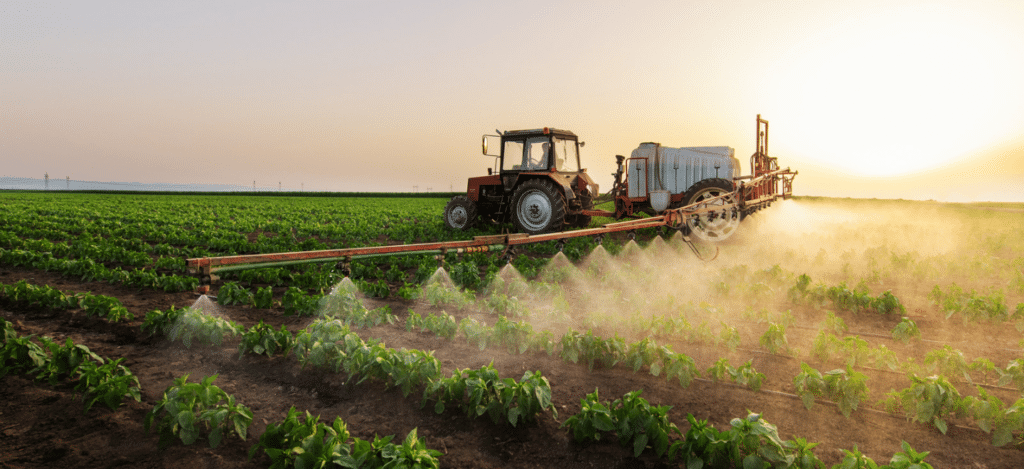
Ovispray is highly suitable for Integrated Pest Management programs (IPM).
It offers versatile benefits beyond winter oil spraying. This remarkable product can also serve as a wetter/penetrant for herbicide applications, boosting their efficacy. Furthermore, when mixed with fungicides and insecticides, Ovispray enhances its performance, giving you even greater protection against harmful pathogens and pests.
How can we help
As the exclusive distributor for Ovispray in Australia, we offer it in 200L drums and 1000L IBCs, ensuring you have an adequate supply for your agricultural operations. With an active ingredient of 800 g/L petroleum oil, Ovispray delivers consistent and reliable results, safeguarding your crops throughout the winter season.
Make sure your crops are protected from insect and pests this winter.
We understand that every crop is unique, and our team is committed to tailoring solutions that meet your requirements. Contact your dedicated Redox representative or fill in the below form and one of our team members will get in touch.
Through a careful and detailed analysis of a customer’s crops, fertiliser application rates and exploring Redox’s range of products, we aim to deliver the best advice tailored specifically to each grower.
At Redox, we empower our Agronomists to drive success on the farm. Our experienced team of specialists are eager to find solutions that enable our partners in agriculture to optimise their yield and reduce costs while maintaining a high production level.
“I take great pride in the positive outcomes we produce on farms,” said veteran Redox Agronomist Ian Gardner.
“…our work and dedication on a Raspberry crop recently resulted in 25 tonnes per hectare within 18 months – exceeding what standard practices could have achieved alone! The farmer was thrilled with this result.”
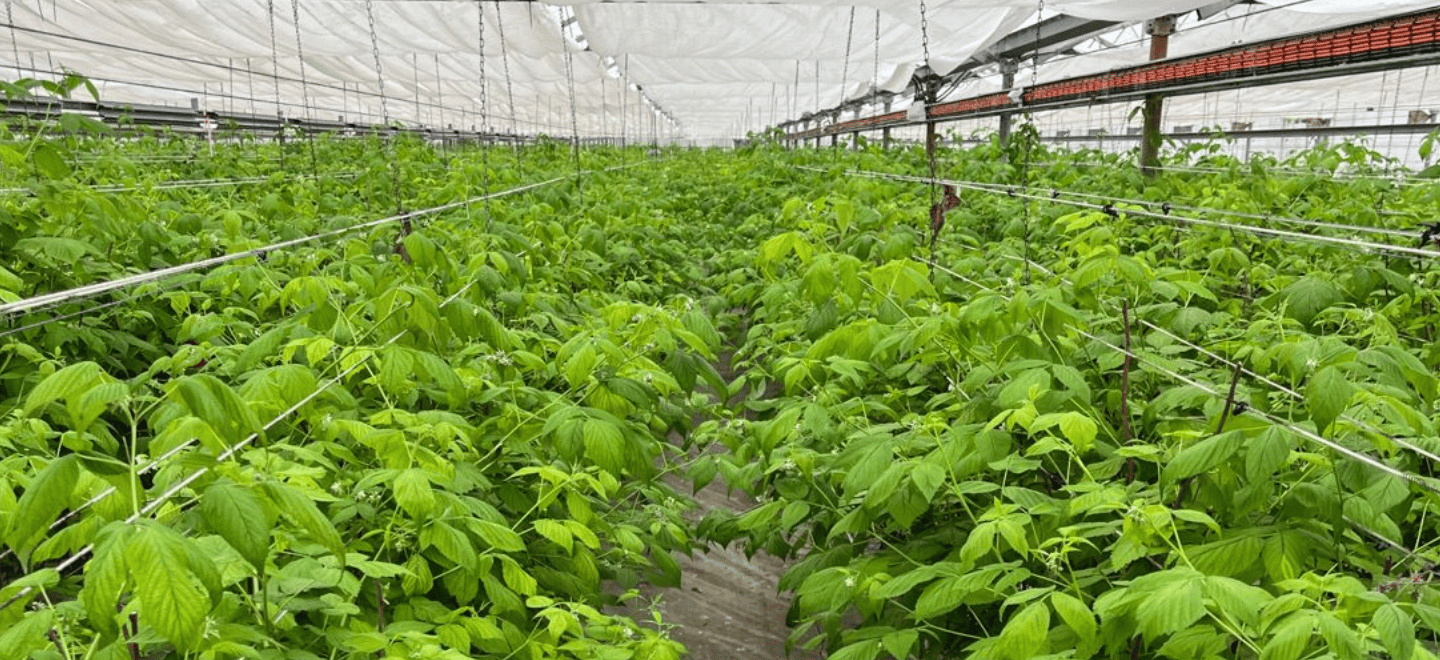
“Watching over the Dolomia Plus Raspberry crop during its final harvest was a sight to behold. After six years in Adelaide Hills, South Australia, these resilient plants had defied an unseasonably cold winter and I walked through them recently when temperatures still hovered around 9 degrees Celsius – yet they endured proudly until their end of season finale.” Ian Gardner, Redox Agronomist.
Welcome aboard Diego
Diego Farias is our newest Agronomist; he hails from Brazil, bringing a wealth of knowledge and experience to Redox and boasts an impressive background and expertise. With his Bachelor’s Degree in Agriculture as well as honing his skills specializing in plant nutrition, he has gained invaluable experience from internships at soil and plant analysis laboratories to working with broad acre crops such soybean seed, cotton & corn for years.
In addition to this impressive work history Down Under he has been passionate about protected cropping (Tomato Capsicum Eggplant Cucumber etc.), providing agronomic aid for vegetable growers including managing soil/plant nutrition issues alongside pest & disease control plus hydroponic systems.
“Going on-site and meeting with our customers to understand what they need is crucial, but it’s also a wonderful way to connect with them and get to know them personally. Growing up on a farm, my love for agriculture goes back to being a young boy. I’m now driven by an unrelenting dedication and passion to share that knowledge with the growers who depend on me; together, we have forged strong relationships built of mutual understanding and respect,” says Diego Farias, our newly appointed Agronomist working out of our Adelaide office.
As innovators of new farm technologies and educators for existing practices, agronomists ensure that crops can be grown sustainably yet profitably — a crucial balance when it comes to protecting our planet’s future.
Our Redox Agronomists will
- Collect and analyse data and samples of produce, feed, and soil to study other factors affecting production.
- They will advise farmers about techniques for improving the production of crops, pest/weed control, soil improvement etc.
- They will also study environmental factors that affect commercial crop production, pasture growth & animal breeding and develop procedures and techniques for solving agricultural problems & improving production efficiency.
We offer an exciting environment for career-driven individuals who share our commitment towards progress and innovation.
If this sounds like you, we would love to hear from you.
Magnesium sulphate, often known as Epsom salt, is a versatile chemical utilised in various markets. With its long history, its use cases are as extensive as they are varied.
In 1618, a villager named Henry Wicker at Epsom in England tried to provide his cattle water from a well. They refused to drink it because of the bitter flavour of the water. However, the farmer discovered that the water healed wounds and rashes. The fame of Epsom salts grew over time.
Eventually, it was recognised to be magnesium sulphate, MgSO4.
How is magnesium sulphate used?
Primarily used as a foliar and irrigated fertiliser in the agriculture sector where it improves soil fertility, creating an environment conducive to growth.
Another industry it is commonly used in is the animal nutrition industry, where it is used in animal feed (feed grade) to aid the metabolism of carbohydrates, lipids (fats) and proteins and for nerve activity and muscle contraction.
More recently, magnesium sulphate has experienced increased use in the pharmaceutical and health sectors with applications such as bath salts and isolation tanks.
It is even used as an active ingredient in pain-relieving lotions, creams and oils within the personal care industry.
Yet, there are instances of it being used in sectors as diverse as:
- Food preparation where Magnesium sulphate is used as a brewing salt in beer production and is used as a coagulant for making tofu.
- Construction, where it can be found being used to prepare specific types of cement by the reaction between magnesium oxide and magnesium sulphate solution.

Magnesium Sulphate is primarily used as a foliar and irrigated fertiliser in the agriculture sector where it improves soil fertility, creating an environment conducive to growth.
The Redox advantage
Redox’s magnesium sulphate is available in various packing sizes, including 25kg bags and bulker bags, coming in a range of forms (heptahydrate, anhydrous, trihydrate, monohydrate) and conforming to many monographs (FCC, BP/USP, OMRI)
At Redox, we take the time to understand our markets and employ a team of skilled specialists to help guide and advise our clients. Our scale efficiency allows us to keep expenses low. At the same time, our broad selection provides clients with a “one-stop-shop” alternative for services in many sectors.
Contact one of our experts to discover how Redox can be an essential element of your sourcing strategy.
MMB (3-methoxy-3-methyl-1-butanol) is a unique, environmentally friendly alcohol solvent. It’s a clear, colourless and completely water-soluble liquid with the mildest of odours. However its best and most noteworthy property, is its eco-friendly application across a vast range of products and industries.
Thanks to MMB’s low toxicity and ready biodegradability, it is recognised as a human and environment friendly solvent, and can be used in European Ecolabel formulations. In fact, MMB has global registration in over 12 nations with it passing the US Environment Protection Authority (EPA) DfE certification for solvents in 2009, and is listed on Cleangredients due to its low toxicity profile.

MMB’s applications are wide ranging, being used in air fresheners and detergents in households, paint and printing chemicals, as a solvent for insecticide and herbicides in the agricultural sector and even as an industrial cleaner for electronics, printed circuit boards and metal parts.

Having a sustainable mindset is at its core and putting the planet and future generations first, MMB is paving the way for a cleaner, greener and healthier planet. Its flexibility is a triumph for our planet and with more and more products choosing MMB over less environmentally forward thinking solvents we wanted to highlight this worker for the environment on Earth Day.
To find out more about Earth Day make your way to their website for a more comprehensive outline.
If you’d like to know more about MMB, please contact one of our industry specialists today.
Our Partnering Manufacturers