For comprehensive animal nutrition, it is well known that the use of in-feed antibiotics has until now, been the main strategy for controlling Clostridium perfringens- associated necrotic enteritis in poultry production. Recently, due to the fear of development of antibiotic resistant microbes, there is a strong trend to totally ban the inclusion of non-therapeutic antibiotics in poultry and swine feed.
Although various alternatives to antibiotics including probiotics, organic acids, enzymes, yeast peptide, prebiotics, essential oils and vaccination have been developed, no single satisfactory non-antibiotics measure against C. perfringens has been identified.
Probiotics have been defined as the live microbial feed supplement which beneficially affect the host animal by improving its intestinal balance and overall animal nutrition.

Farm chickens eating from an automatic feeder.
Probiotics where originally derived from lactic acid bacteria (LAB) fermented dairy products and the faecal microbiome. Traditionally probiotics was thought to produce short chain fatty acids, optimise IgA production, modulate homeostatic bile acids production, and increase the integrity of intestinal epithelial layers.
In recent years, new technology and new fermentation method have been developed to select more specific super bacteriostatic strain for the new generation of probiotics (Clostide).
In the Figure 1, it is clearly shown that the antibacterial ability of Bacillus Licheniformis HJ135 developed by Vega group is 20 times than that of normal stain.
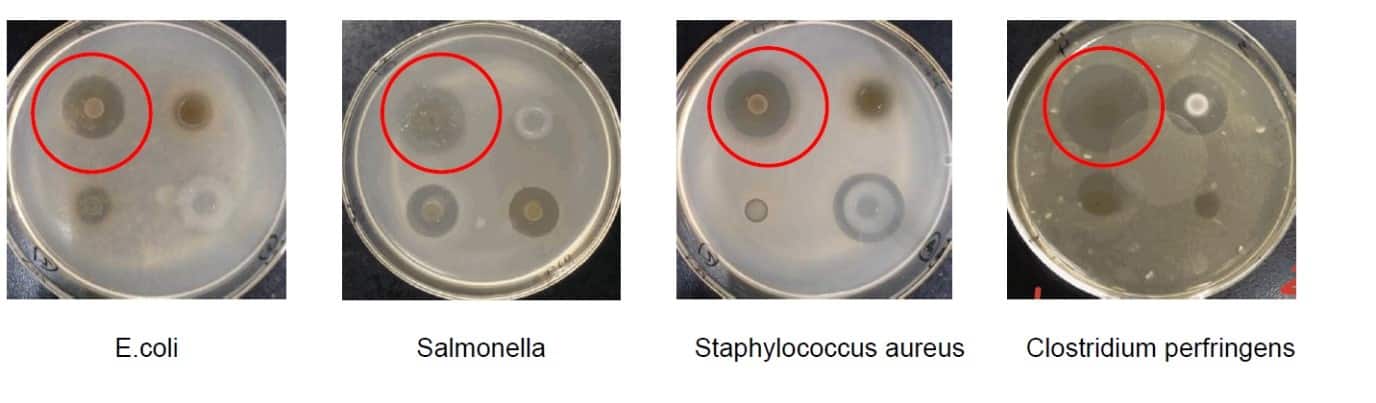
Figure 1. The bigger of diameter of bacteriostatic circle is better for antibacterial ability
Animal nutrition in other animals
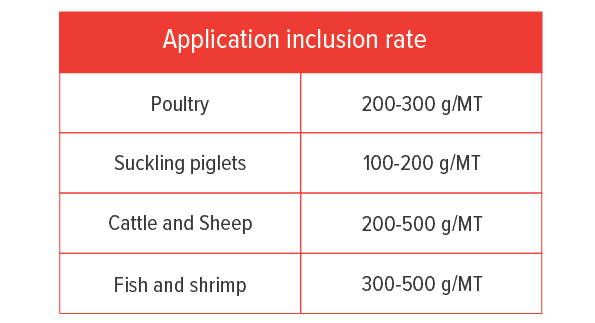
- In broiler chickens challenged with perfringens, adding 300 grams/MT Clostide significantly reduced incidence of Necrotic enteritis; FCR was improved by 7 points.
- In laying chicken hens, adding 300 grams/Mt Clostide improved egg production by 4.8% and significantly mortality rate.
- In sows, adding 500 grams/ MT Clostide at 90 days after gestation significantly improved piglet weaning liveability and average daily weight gain was improved by 11.6%.
- For weaned piglets, the addition of 500 grams /MT Clostide increased body weight gain by 4.15%; Diarrhea rate was reduced from 10.65% to 2.65%.
Want to know more? contact one of our industry specialists and ask them today