International shipping conditions across the Asia–Pacific region are becoming increasingly challenging, with vessel capacity tightening, port congestion worsening and freight rates continuing to rise.
While conditions have not yet reached the extremes experienced during the COVID-19 pandemic, the market is again approaching comparable levels of disruption on some routes. Shipping lines are also managing contracted capacity more tightly, reserving space for higher-priced spot cargo and limiting the flexibility available to contracted shippers.
The Shanghai Containerised Freight Index reached 3,687.83 on 18 September 2026 and continues to trend upwards, reflecting the pressure across major international shipping routes.
Australia: capacity remains constrained
Shipping from North Asia to Australia is particularly difficult.
For cargo destined for Adelaide and Fremantle, additional FOB capacity is extremely limited until at least mid-November. Suppliers that are already experiencing difficulty securing bookings are likely to remain constrained over the coming weeks.
Capacity into Australia’s east coast is somewhat more accessible, although bookings typically need to be secured four to five weeks before departure. Shipments originating from Qingdao are facing especially significant delays and capacity restrictions.
Conditions from Southeast Asia are comparatively better, but remain far from normal. Cargo continues to be rolled between sailings, and securing a booking does not necessarily guarantee that a container will be accepted onto the nominated vessel. Congestion that was initially concentrated in Singapore has also spread to other major ports throughout the region.
Spot freight rates into Australia are currently approximately US$2,700–US$3,300 per twenty-foot equivalent unit (TEU).
New Zealand freight costs rise above Australia
Space from North Asia into New Zealand remains reasonably available, but prices have increased sharply. Spot freight rates now exceed those into Australia and are commonly above US$3,500 per TEU.
Redox’s contracted freight arrangements provides an important competitive advantage for our customers, particularly in markets where freight represents a significant proportion of the delivered product cost.
United States also facing additional freight pressure
The US is also dealing with some additional pressure from broader global shipping disruption. Recent reporting shows Shanghai–New York spot rates above US$10,000 per 40ft container, with fuel costs, Panama Canal constraints and limited effective capacity all contributing.
Severe congestion around Shanghai and Ningbo
The Shanghai, Ningbo and Yangtze River port region is experiencing particularly severe congestion. Some vessels are waiting more than seven days to load, while others are omitting the region entirely.
These disruptions have flow-on effects across the broader shipping network. Port omissions, delayed vessel rotations and blank sailings reduce available capacity and make shipping schedules increasingly difficult to predict.
Booking earlier can help, but it is not always enough. A supplier’s ability to prepare cargo on time, obtain confirmed bookings and meet documentation deadlines is becoming just as important as the original order date. Suppliers with a consistent record of on-time shipment are currently much more likely to secure and retain vessel space.
Will conditions improve after October?
Market expectations suggest that freight rates and congestion may begin to ease after China’s October holiday period, with a more noticeable improvement potentially emerging from November.
However, this outlook remains uncertain. Geopolitical tensions, regional conflicts, port congestion and changes to shipping routes could continue to affect capacity and pricing with little notice. Customers should therefore be cautious about delaying essential orders solely in anticipation of lower freight rates.
Redox’s logistics teams work closely with suppliers, shipping lines and freight partners to monitor capacity and identify potential delays as early as possible. Customers planning purchases from Asia are encouraged to speak with their Redox representative about expected lead times and product availability.
Redox Limited today announces that Chair and Non-Executive Director, Ian Campbell, will retire at the conclusion of the Company’s 2026 Annual General Meeting on 7 October 2026.
Following a formal Board succession process, the Board has unanimously elected Mary Verschuer, current Non-Executive Director and People and Safety Committee Chair, to succeed Ian as Chair effective upon his retirement. Mary is currently Chair of Maxiparts (ASX:MXI) and has significant Non-Executive Director experience including on the board of Nuplex prior to its sale in 2016.
Redox is also pleased to announce that it has appointed Sheila Lines to the Board as a Non-Executive Director, effective 1 September 2026. Sheila will be nominated for election at the 2026 AGM.
Sheila brings extensive executive and non-executive leadership experience, including:
- 30 years’ experience as a CFO, CEO and Non-Executive Director across multiple industries including retail, media, technology, banking and transport;
- 20 years’ experience in public companies in Australia and overseas, including roles as Chief Financial Officer and Company Secretary of Nick Scali Limited, as Chief Financial Officer of oOh! media Limited, Cabcharge Australia and Bpay, and internationally as Chief Executive Officer of Bermuda based KeyTech Limited;
- Holds a Bachelor of Laws (Hons) from University College London and is a member of Chartered Accountants Australia & New Zealand;
- Currently a Director of JB Hi-Fi Limited.
Chair’s Comments
Mr Campbell said:
It has been my privilege to serve the company as a Director these past 17 years, including as Chair since leading the company to its successful ASX listing in July 2023. I am grateful to the Coneliano family, our shareholders, fellow Directors, and management team for their support throughout my tenure.
During that time, Redox has transformed into a major global chemical and ingredients distributor, growing annual sales revenue from $486 million to over $1 billion, expanding across multiple international markets and completing several significant acquisitions.
Redox is well positioned for continued success, supported by a strong balance sheet, a compelling growth pipeline and clear strategic direction. I am delighted the Board has elected Mary as my successor, with whom I will support in an orderly transition over the coming months.
Incoming Chair’s Comments
Ms Verschuer said:
I am honoured to have been elected by my fellow Directors to succeed Ian as Chair of Redox. I look forward to working closely with the Board, the Coneliano family, management and our people to build on that strong foundation, execute our growth strategy, continue delivering exceptional service to our customers and create long-term value for shareholders.
The ongoing disruption to key energy and petrochemical supply chains is creating meaningful challenges across global chemical markets. Constraints on production and logistics through critical export routes, including the Strait of Hormuz, are driving increased input costs and reduced availability across several product categories.
During periods like this, reliable logistics and diversified sourcing become critical, and Redox is actively supporting customers through these evolving conditions.
Redox’s global logistics capability enables product movements across more than 400 port pairs worldwide, supported by over 100 storage locations strategically positioned throughout key markets. Our sourcing team draws on a database of more than 7,000 manufacturers, including over 1,100 active suppliers across all major producing regions. This scale and flexibility allow Redox to rapidly redirect supply pathways, identify alternative sources, and maintain continuity wherever possible.
Across the market, Redox is observing broad-based inflation across a range of products, particularly those linked to energy and petrochemical feedstocks.
This includes polyethylene (PE) resins, where supply has tightened materially due to reduced output and disrupted export flows from major Middle Eastern producers. Upward pricing pressure is also being experienced across fertilisers, glycols, solvents, and sulphur-based products, reflecting higher feedstock costs and increased freight rates.
Many producers of downstream products have called Force Majeure and some governments have restricted exports and are introducing rationing to protect domestic consumers.
Redox’s role in times like these is to provide stability, transparency, and continuity. Our teams are working closely with suppliers and customers to secure alternative supply channels, optimise freight movements, and manage inventory positions across our global network.
We understand that disruptions of this scale create uncertainty. Our commitment is to remain agile, proactive, and fully engaged with customers to help navigate these conditions and minimise operational impact wherever possible.
Redox will continue to monitor developments closely and provide further updates as conditions evolve.
On behalf of the entire Redox team, we wish you a joyous Christmas and a prosperous New Year.
Please note that our branches will be closed on all public holidays. Refer to the list below for our office closure dates for the 2025 festive period:
Australia
- Christmas Day – Thursday, December 25, 2025
- Boxing Day – Friday, December 26, 2025
- New Year’s Day – Thursday, January 1, 2026
New Zealand
- Christmas Day – Thursday, December 25, 2025
- Boxing Day – Friday, December 26, 2025
- New Year’s Day – Thursday, January 1, 2026
- Day After New Year’s Day – Friday, January 2, 2026
Malaysia
- Christmas Day – Thursday, December 25, 2025
United States
- Christmas Day – Thursday, December 25, 2025
- New Year’s Day – Thursday, January 1, 2026
Due to our transport contractors’ reduced capacity and availability over this period, deliveries may be affected. Customers are advised to plan for lead times that are longer than usual.
Please contact your representative or complete our online enquiry form for any further questions.
We are currently experiencing another period of exceptionally high demand, which is significantly affecting ocean freight movements to and from Singapore, as well as across Northeast Asia, Southeast Asia, and Europe.
Our Shipping Management Team advises that congestion in Singapore has reached a critical level, with continued disruptions expected in the weeks ahead. Shipping Lines have implemented a “First In, First Out” policy, limiting opportunities to advance shipments onto earlier vessels.
Feeder vessels from outports are also operating at full capacity, and shipping terminal congestion is causing many to miss scheduled connections with Singapore, further compounding delays.
Carrier-Specific Updates
- ANL: Delays of approximately 2–4 weeks for all bookings.
- COSCO: Experiencing the most significant backlog, with delays of 3–5 weeks.
- Other carriers: Reporting delays ranging from 1–3 weeks.
- Port Kelang: Currently also reporting congestion.
While refrigerated (reefer) cargo and medical equipment or supplies will receive priority handling, these shipments may still experience the delays noted above.
We understand these disruptions may impact your planning, and we appreciate your patience and understanding as Shipping Lines work to restore normal schedules, but we do not expect this to occur until later in the year.
For any urgent requirements or further assistance, please contact your Redox representative.
ICIS Chemical Business Magazine has unveiled its annual Top 100 Chemical Distributors list for 2024, and Australian-based global chemical distributor Redox has risen to new heights in the rankings.
ICIS Chemical Business Magazine has unveiled its annual Top 100 Chemical Distributors list for 2024, and Australian based global chemical distributor Redox has risen to new highs in the rankings.
Redox confirms it’s place as the largest chemical distributor in Australia, 15th largest in the Asia-Pacific (APAC) region, and the 33rd largest globally (up from 34th rank).
The prestigious list features 323 of the world’s leading chemical distributors, with rankings determined based on revenue generated during the 2023 calendar year.
Remarkably, Redox has made impressive strides in North America, climbing 14 positions as we further expanded our footprint in the US markets with 6 locations.
This achievement underscores the value that Redox delivers to its clients and suppliers, which is made possible by its team’s dedication and hard work.
For the full report, click here.
Please be aware that as of the 7th of October 2021 Redox Pty Ltd has changed name to ‘Redox Ltd’.
Any enquiries about this change can be directed to your contact person at Redox or via our contacts page.
This past month has seen continued container delays, pricing and reliability pressures on the container shipping industry. The issues have become well publicised across most media outlets as information becomes more available.
Containerised freight prices have reported various levels of increases, the Drewry composite World Container index has risen for 17 straight weeks and now sits at $US9421.48 per 40-foot container, a 358% higher than the same week in August 2020.
For our customers, we suggest that you be aware of these increases and understand that this can significantly affect the cost of goods we sell. There is no suggestion that prices will ease in 2022 so please do not wait longer than normal in the hope of freight price reductions. Further to this for longer term supply contracts to ensure we can provide the best service possible discuss options with your sales representative to allow for the ever-changing freight costs.
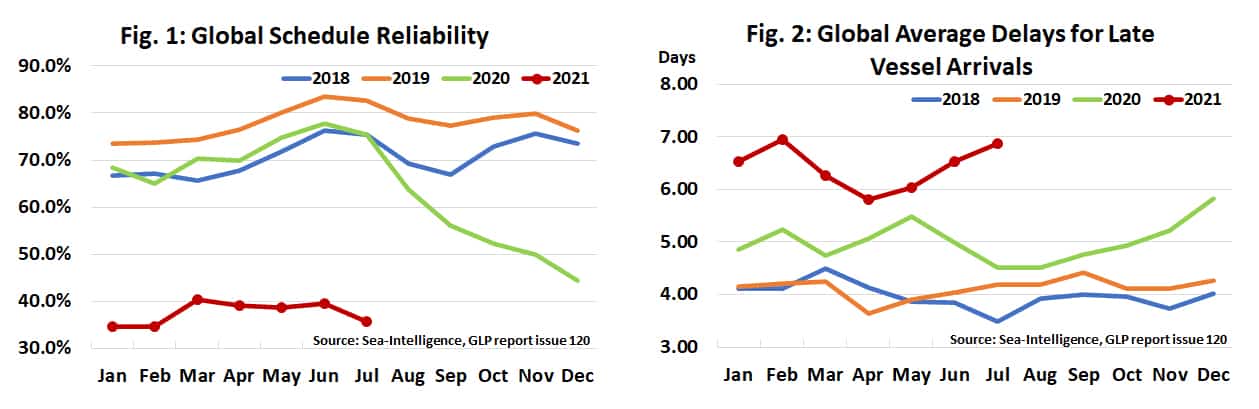
Global schedule reliability has remained reasonably steady at 35-40% for the most part of 2021, the average vessel delay has also been 6-7 days. Noting that, to get containers from Asia to Australia and New Zealand a container may be on 2-3 vessels turning a 6–7-day delay per vessel, into a potential four week plus delay for each container.
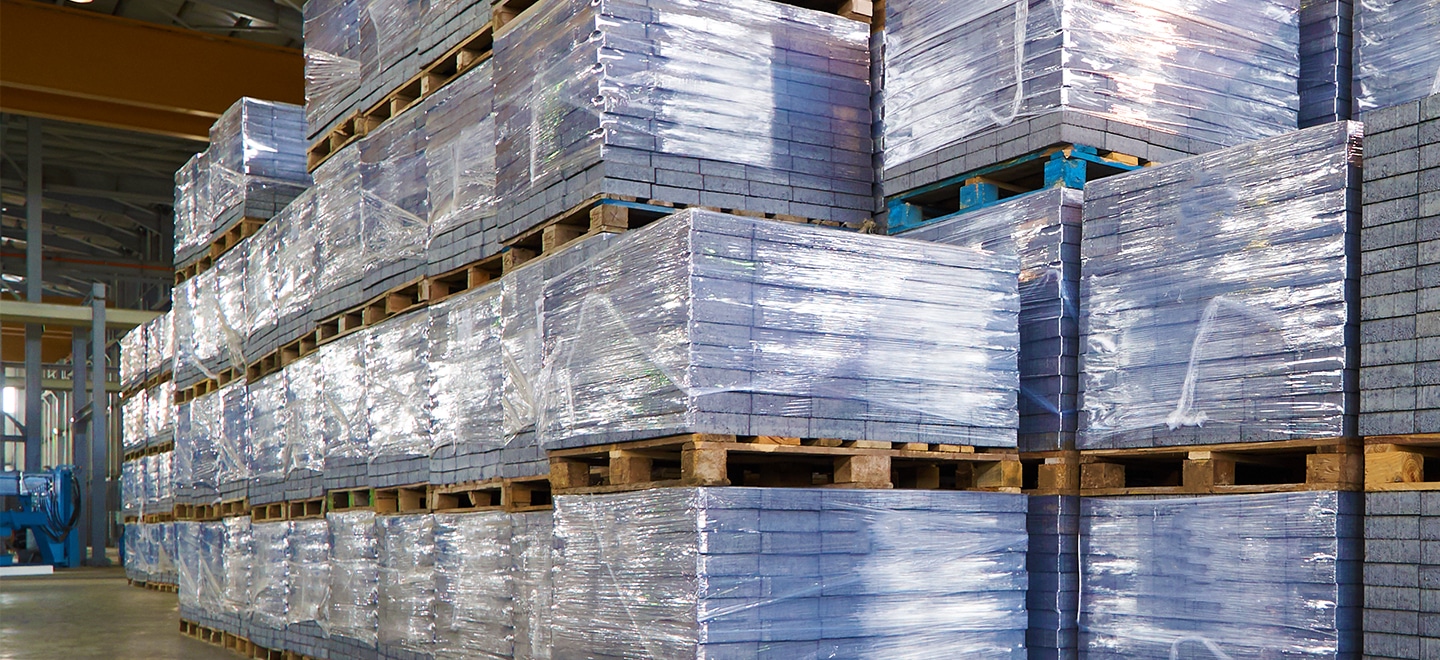
To mitigate this risk for our customers Redox owns and operates, 7 sites with the ability to store in excess of 65,000 pallets. On top of this we have a further 50 sites worldwide in which we can store additional stock. As such we suggest either purchasing product early to ensure it is available when needed or discussing a storage solution with your Redox Representative.
We anticipate that these pressures will be ongoing for at least the next 18 Months and we will continue to assist our customers in understanding this information and how to minimise the on-going impact to your business.
Please continue to stay in close contact with your Redox Representative to discuss a range of strategies to reduce risk to your supply chain and to further understand how pricing and reliability will affect your business during the coming 18 months.
Dear customers and partners, we have been informed by both CHEP/ Loscam and other pallet providers that they will not be able to meet the increased demand for pallets.
As a result there may be some delays in delivery, or you may be contacted by your Redox representative and asked if you could consider taking goods on pallets which might not be your first preference.
You may de-hire returnable pallets with Redox and this will help us through the current difficulties, please make sure they are clean and in good shape.
If you are a client who exchanges pallets on delivery it is very important that you have the pallets available to exchange or the delivery may not be unloaded.
Pallet shortages advised by some pallet providers advise that they will not be able to meet the increased demand for pallets.