It is well known that in the current floor pen with deep litter system, day old broiler chickens could benefit from non-starch polysaccharides components in the litter to establish the dynamic microbiota. However, when the intestinal microbiota becomes complex and diversified over time and environmental conditions, long term exposure to faeces and ammonia pollution environments has a higher risk of infection with pathogenic bacteria and parasites.
For decades, chicken enteric disease including necrotic enteritis (NE) and coccidiosis have been controlled by using antibiotic growth promoters (AGP) and coccidiostats. However, due to the development of antibiotic resistance in bacteria and coccidiosis, which is a threat to animal and human health, the use of AGP and coccidiostats has been restricted or banned in the poultry industry. Thus, alternatives production strategies including vaccinations, organic acids, prebiotics, probiotics, essential oils, postbiotics or yeast peptides to control NE and coccidiosis have been explored.
The Glucose Oxidase (GOD) is exogenously produced by specific fungi fermentation to oxidize β-D-Glucose into gluconic acid and hydrogen peroxide, consuming large amounts of oxygen at the same time in the chicken gut. Therefore, it can protect against oxidative stress and directly kill some pathogenic bacteria or Eimeria parasites. Gluconic acid is a kind of organic acid, which acts as an acidifier in the intestine to produce the short chain fatty acids such as butyric acid. GOD also plays an important role in colour development, flavour, texture, and increasing the shelf life of food products. Due to its characteristics of producing natural acid, deoxygenation and sterilization, GOD has been defined in AAFCO list as 70.3 and widely used in animal production.
Recently, the University of New England (UNE) conducted a NE challenging trial to investigate the GOD potentials to ameliorate the impact of NE on chicken performance and intestinal health. The standard, positive controls (PC) were formulated based on wheat-sorghum-soybean meal as the commercial diets. Negative control (NC) chickens were challenged with Eimeria parasites at day 9 and clostridium perfringens at day 14. Another 4 treatments consist of PC or NC diets supplemented with antibiotics, GOD 100 g/MT, 200 g/MT and 300 g/MT, respectively.
The effect of GOD on chicken performance before challenging was shown in Figure 1. It is clearly shown that adding GOD significantly improved chicken body weight gain by 9% and FCR was improved by 10 points. From the growth point of view, AGP supplementation did not show any impact on chicken body weight gain and FCR.
However, during the challenging period (Figure 2), AGP significantly improved the chicken body weight gain and FCR compared with the positive control. Interestingly, during the recovery period (Figure 3) or chickens had the longer-term exposure to faeces and ammonia pollution, chickens in positive control and supplemented with the lowest GOD showed worst performance, but chickens in the negative control showed the best performance, possibly due to that Eimeria challenged birds boomed their immune system for the possible coccidiosis infection. It might also imply that supplementation of GOD could replace both coccidiostat AGP.
However, the lower level of GOD might have the negative effect of Eimeria vaccination.
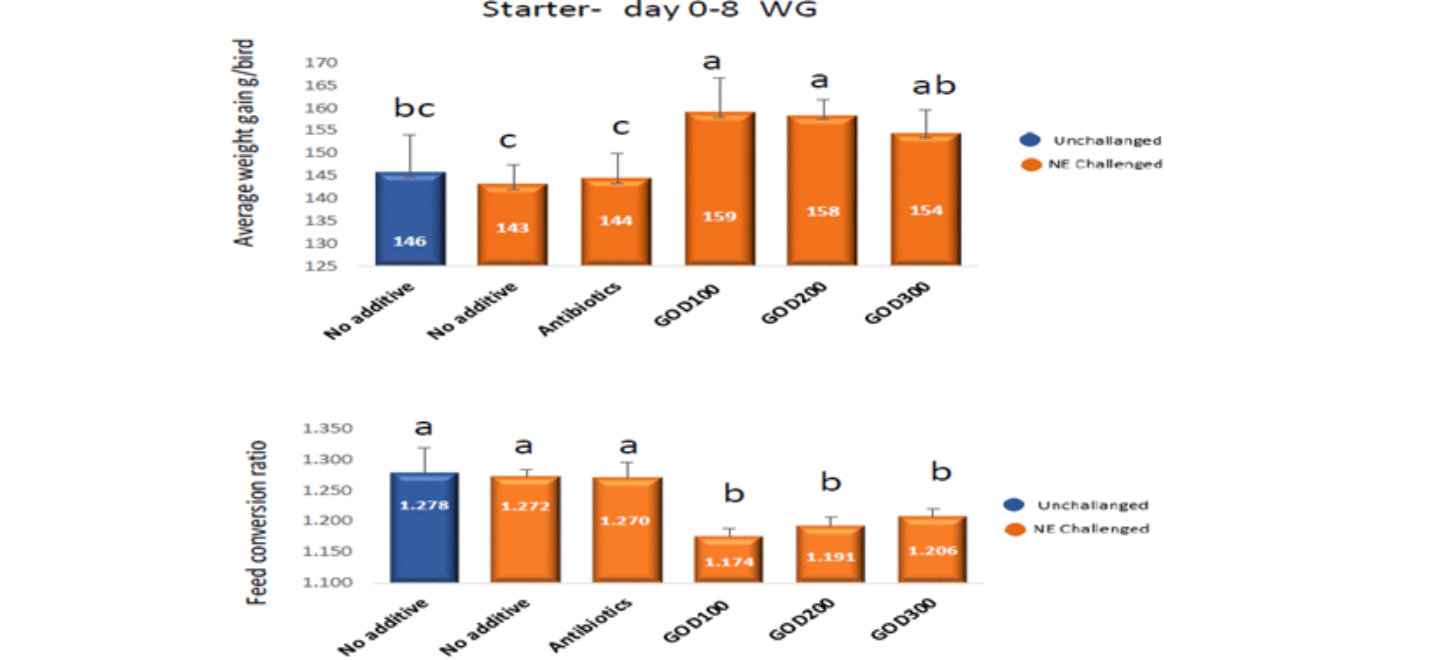
Figure 1. The effect of GOD on chicken performance before challenging.
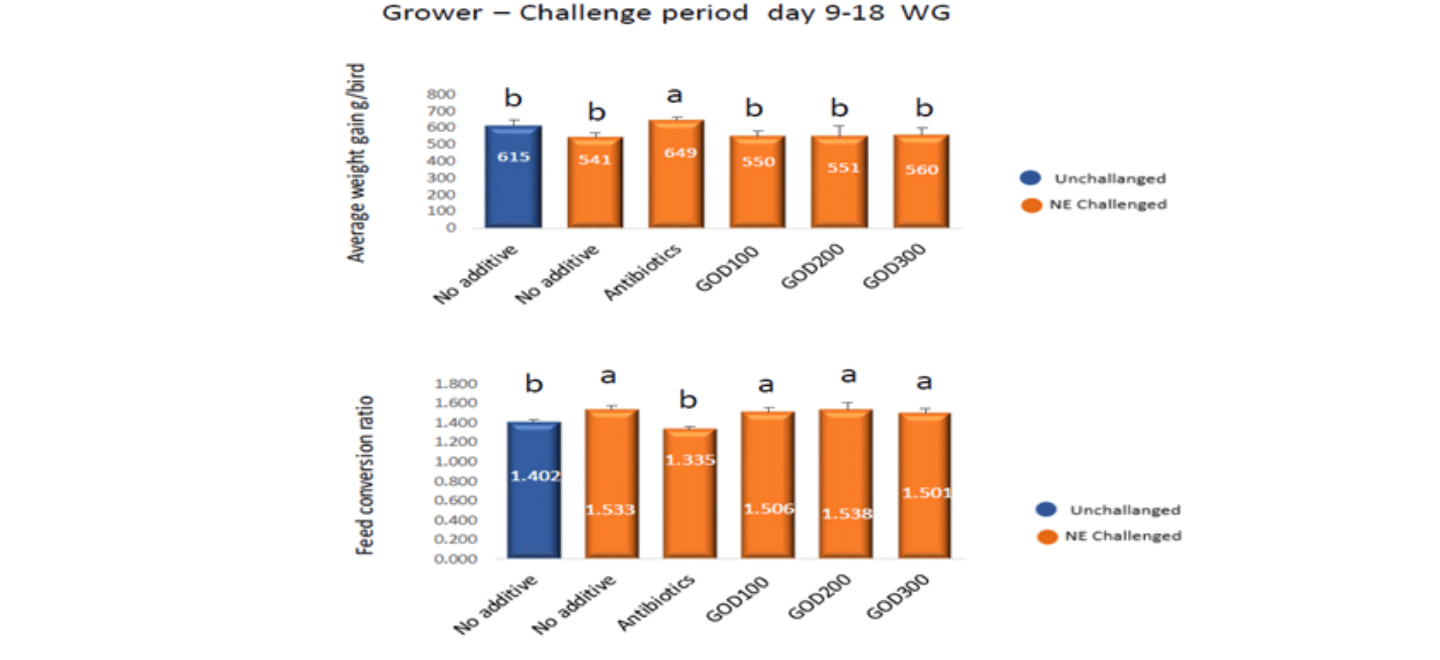
Figure 2. The effect of GOD on chicken performance during challenging.
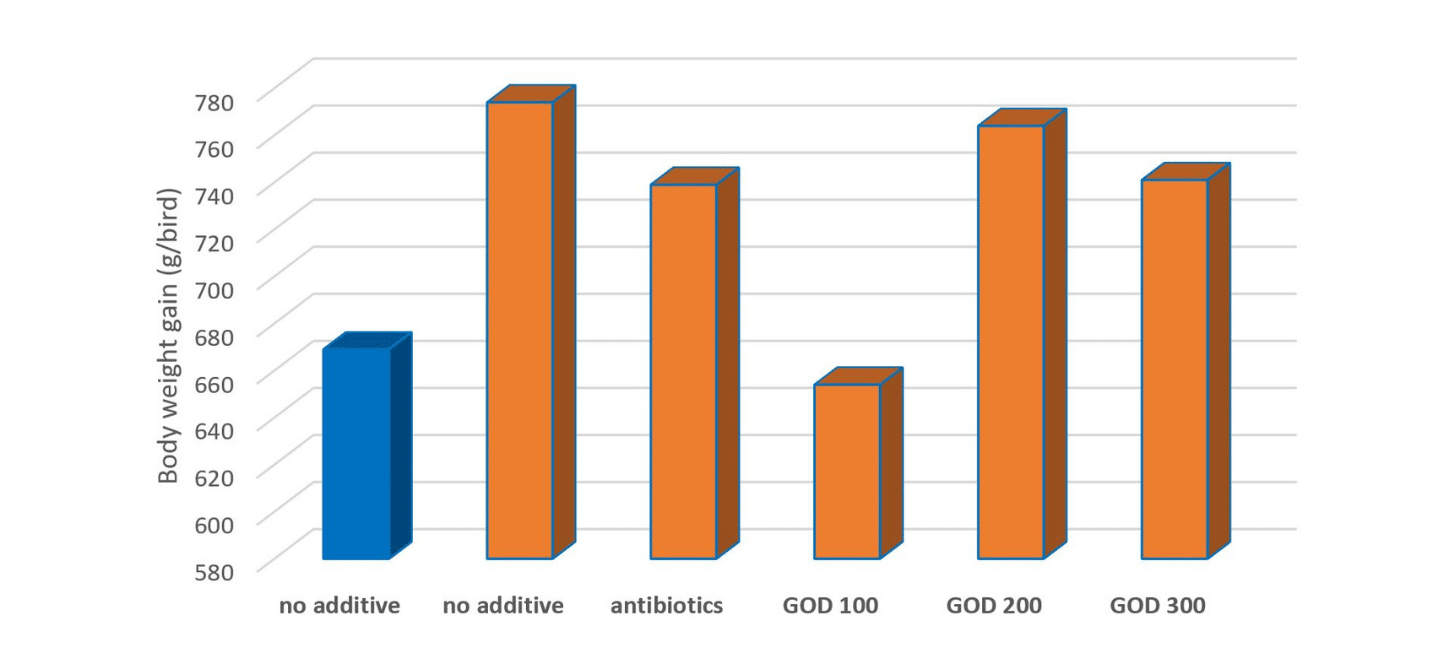
Figure 3. Efeect of GOD on chicken body weight gain after challenging period (d 28-35)
A study compiled by our Redox Animal Nutritionists.
Rumen microorganisms can utilize non-protein nitrogen (NPN) such as ammonia to synthesis rumen microbial proteins for cattle and sheep. Urea is a cheap source of NPN but the hydrolysis rate of urea in the rumen is speedy and exceeds the ammonia utilisation rate of rumen microorganism. Surplus ammonia is harmful to the animal and is also associated with increased methane production. Coated urea is designed to provide a controlled release of urea in the rumen, allowing for a more efficient utilisation of nitrogen by rumen microbes.
In Figure 1, it is clearly shown that compared with Menogen plus (the coated urea), normal urea is almost completely degraded within 20 minutes. On the other hand, the degradation rate of soybean meal or canola meal is too slow. Within 8 hours, the degradation rate of soybean meal and canola meal is about 50% and 30%, respectively, considered as the good source of rumen undegraded protein.
However, less ammonia concentration may not provide sufficient nitrogen source for rumen microorganisms to effectively synthesise rumen microbial protein. Therefore, addition of the coated urea could provide stable nitrogen supply for rumen microbes. It is reported that providing 90 grams coated urea per day per cow could replace 450 grams soybean meal and increase milk production by 0.85 kg per day per cow.
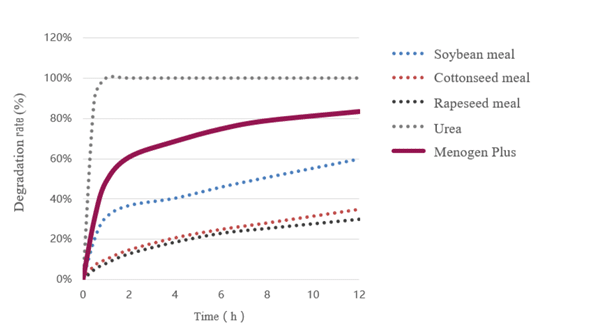
Figure 1. The degradation rate of different nitrogen sources in Rumen
In summary, this controlled release urea can lead to several benefits in terms of methane reduction and overall animal nutrition:
- Reduced ammonia levels:
The coated urea undergoes gradual hydrolysis in the rumen, releasing ammonia at a controlled rate. This controlled ammonia release ensures a stable nitrogen supply for rumen microbes, reducing excess levels. High ammonia levels in the rumen are associated with increased methane production.
- Improved microbial protein synthesis:
The coated urea supports the growth of rumen microbes by providing a steady and controlled supply of ammonia. These microbes are responsible for breaking down fibrous materials and producing microbial protein. Efficient microbial protein synthesis can lead to improved feed digestion and reduce d methane emissions.
- Optimised nitrogen utilisation:
The coated urea allows for better synchronisation between available nitrogen and microbial needs. This synchronisation can lead to improved utilisation of dietary protein and reduced excretion of nitrogen in the form of urea. Lower nitrogen excretion can contribute to reduced ammonia levels and subsequently, reduced methane production.
- Balanced rumen environment:
The coated urea helps in maintaining a stable rumen PH and stable pH conditions are conductive to the growth of specific microbes that produce less methane during feed digestion.
- Increased fibre digestibility:
Improved microbial efficiency and balanced rumen pH can enhance the digestion of fibrous materials. Enhanced fibre digestion results in fewer substrates available for methane-producing microbes, leading to reduced methane emission.
A study compiled by our Redox Animal Nutritionists.
Layer chickens’ dietary fibre comprises a significant part of plant feedstuffs and is chemically defined as the non-starch polysaccharides (NSP). The NSP include various fibre types such as lignin, β-glucans, arabinoxylans, uranic acid, galactose, and mannose.
Soluble NSP such as arabinoxylans in wheat or mannans in soybean meal will increase the chicken gut viscosity, resulting in detrimental effect on chicken performance and egg production. Therefore, adding xylanase and β-mannnase blend to layer chicken wheat-soy based diets could remove these anti-national factors and reduce the energy cost of immune responses.
Recently, White et al (2021) reported that adding β-mannnanase to the corn-soy based diets for laying hens significantly increased egg production by 6% (88.55% vs 94.94%). In laying chickens feed formulation, adding β-mannanase could save about 100 Kcal/kg apparent metabolizable energy (AME) and 1%-unit crude protein level.
In Germany, VTR conducted a layer chicken trial to investigate the effect of the exogenous xylanase on egg production and apparent N-corrected metabolizable energy (AMEn). On the base of a standard corn-wheat-soybean meal diets, 100, 150, and 200 grams/Mt xylanase were added to include a total of 4 treatments. The effect of xylanase on egg production and egg quality was listed in Table 1. It is clearly shown that adding 200 g/MT xylanase increased egg production by 1.8% and significantly reduced dirty and broken eggs. It cam also increase about 150 kcal AMEn.
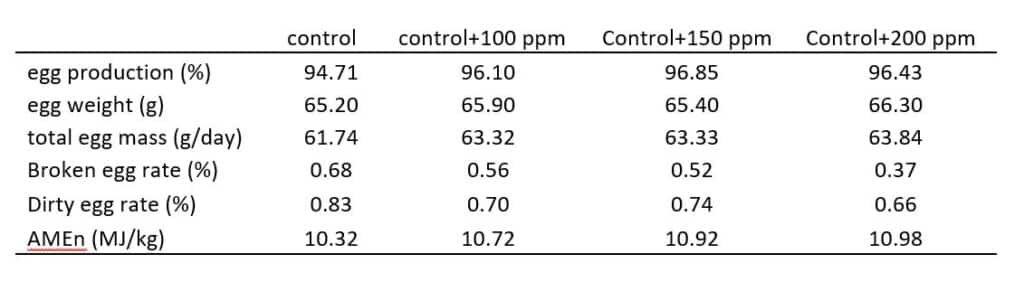
Table 1. The effect of Xylanase on egg production and egg quality (week 25 to week 32)
On the other hand, the insoluble NSP such as lignocellulos have a positive effect on animal health and productivity. In particular, for free rage layer chickens, feather pecking, and cannibalism are a serious problem and the increased insoluble NSP or fibre has been widely shown to reduce feather pecking and cannibalistic behaviours. This effect is generally attributed to increased time spent eating, thus reducing redirected behaviours. JELUVET®lignucellulose contains 67.7% crude fibre, mainly comprising of cellulose and hemicellulos (62%). Therefore, it is a good source of insoluble NSP to reduce feather pecking for free range layer chickens.
A study compiled by our Redox Animal Nutritionists.
Chicken gut health is crucial in antibiotics-free period. Some alternatives such as probiotics, postbiotics, prebiotics, bile acids, antimicrobial peptides, essential oils, and vaccinations have been gradually accepted in poultry production.
Recently, a new alternative feed enzyme, glucose oxidase (GOD), has drawn attention to poultry and swine industry.
The GOD is exogenously produced by specific fungi fermentation to oxidize β-D-Glucose into gluconic acid and hydrogen peroxide, consuming large amounts of oxygen at the same time in the chicken gut. Therefore, it can protect against oxidative stress and directly kill some pathogenic bacteria or Eimeria parasites.
Recently a thermal stable GOD is commercially available, and Table 1 clearly shows that at 85 °C, the enzyme recovery rate of this GOD maintains 92%.
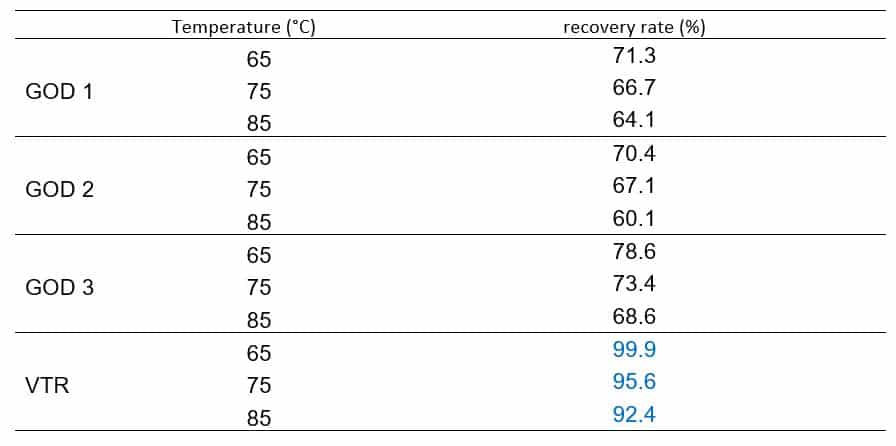
Table 1. Thermostability of different GOD (3 minutes bath incubation)
In general, adding 2000 U/kg GOD to layer chicken feed increased egg production from 88% to 90% within 4 weeks of production. Egg weight increased from 60.8 to 61.4 gram/egg.
Adding 3000 u/Kg GOD to broiler chicken diets increased body weight gain by 3.44% and FCR was improved by 6 points.
A study compiled by our Redox Animal Nutritionists.
Currently most dogs are fed highly processed food that is quite different from canine ancestral diets. Sweeteners are quite often included in processed dog food to mask unpleasant taste or enhance the acceptance of the food.
In the recent years, due to health issues, numerous low-calorie sugar free sweeteners have been developed to replace sucrose. Table 1 shows relative sweetness, acceptable daily intake (ADI) of some of some sweeteners.
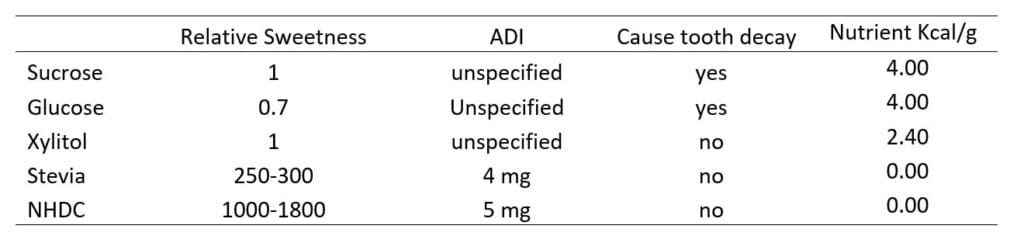
Table 1 The relative sweeteners and ADI (mg/kg body weight/day) of some sweeteners
It is noteworthy that xylitol will result in fatal reduction in blood glucose levels and the liver failure has been reported in dogs.
Stevia is a sugar substitute made from the leaves of the stevia plant. it is about 250 to 300 times sweeter than sucrose. However, some people complain it is bitter.
Neohesperidine Dihydrochalcone (NHDC) is a sensory sweetener derived from the hydrogenation of Neohesperidine, a flavanone which is found in the immature fruit of bitter oranges. It is about 1000-1800 times as sweet as sucrose. However, commercially available Sugarex containing 10% NHDC is about 150 times as sweet as sucrose and its recommended dosage rates in dog dry food is 50-150 g/MT.
More importantly, all those alternative sweeteners are not effective substrates for plaque bacteria and therefore less likely result in dental caries. However, it is noticed that approximately 50-88% dogs over three years of age have periodontal disease and adding 0.6% sodium hexametaphosphate significantly reduced the area covered by dental calculus. In cats, it is reported that adding 1.2% lactic acid in a maintenance food significantly inhibited oral substrate accumulation.
Adding NHDC to weaning piglets, calf and fish diets also significantly increase the feed intake of young animals.
Report by Redox Animal Nutritionists
It is well known that reduced protein diets in broiler chickens could lessen nitrogen excretion and environmental pollution. However, the successful strategy for broiler chicken production fed on reduced protein diets largely depends on both exact amino acids balance and sufficient quantity.
Currently ideal amino acids profile and absolute standardised ileal digestible lysine concentrations provide this recommendation on amino acids balance and quantity, respectively. In reduced protein diets, if any amino acid is deficient or limiting, ingestion of excess of other amino acids will result in accumulation of these amino acids in plasma, leading to the reduction in feed intake. Figure 1 clearly shows that when the reduced protein diet is deficient in Arginine, it will result in increased plasma lysine, methionine plus cysteine, threonine, Valine, and isoleucine concentrations, indicating these surplus essential amino acids could not be degraded for muscle growth.
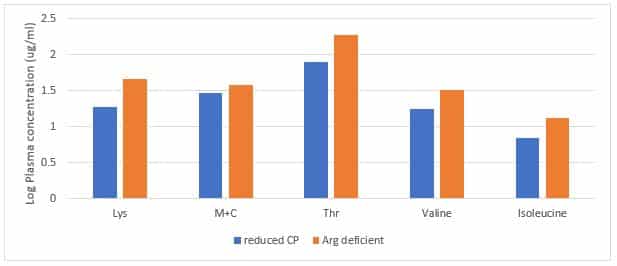
Figure 1. The effect of Arginine deficiency on plasma amino acids concentration (log ug/ml)
Arginine is one of most versatile functional amino acids because it is a precursor of several molecules, such as creatine, ornithine, nitric oxide, citrulline, proline, and polyamines. Apart from protein synthesis, it can stimulate the release of growth hormone and insulin-like growth factor 1.
Arginine also acts as a trigger of target of rapamycin (TOR) signalling system activation for reducing protein degradation. Supplementation of L-Arginine has been approved significantly increase Nitric oxide and reduce ascites related mortality.
In recent updated amino acids profile recommended by Aviagen breeder company, the SID Arginine to SID Lysine ratio has been increased significantly, up to 110% in the finisher period. A 42 days broiler chicken trial conducted in the University of Sydney clearly showed that when SID Arginine to Lysine ratio increased from 107% to 113%, plasma Lysine, methionine plus cysteine, and threonine concentrations were significantly reduced (Figure 2).
Increasing SID valine to Lysine ratio from 76% to 81%, SID isoleucine to lysine ratio from 69% to 73%, and SID Arginine to lysine ratio from 107 % to 113%, increased breast meat by 59 grams.
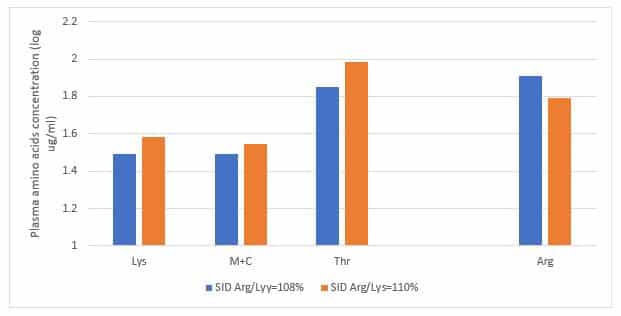
Figure 2. Plasma lysine, methionine plus cysteine, and threonine concentrations in response to dietary SID Arg/Lys ratios.
Report by Redox Animal Nutritionists
Taurine is a β-amino acid containing a sulfonate instead of a carboxylic group in α-amino acids. It is vital for organ development and aging but not for protein synthesis. Taurine is needed for membrane stabilization, has cytoprotective and cell volume regulation effects, and maintains calcium homeostasis and signalling.
Taurine deficiency impairs growth, fertility, triggers immune deficiency, muscle atrophy, and increased susceptibility of diseases, resulting in a pathological condition known as green liver in strictly marine species due to bile pigments accumulation. Under normal nutritional conditions, fish can produce taurine via methionine-cysteine metabolism pathway.
It is well known that a steady decline of fish meal inclusion levels in aqua cultural feeds has pushed higher inclusion levels of plant protein rich ingredients supplemented crystalline methionine. We assume that the higher level of dietary methionine supplementation might provide a sufficient taurine precursor to support growth rate in fish. However, Gaylord et al (2007) indicated dietary taurine supplementation was indeed beneficial fort rout fed all-plant protein diets, but supplementation of methionine above the requirement could not spare taurine.
Based on the control diet without supplemental methionine and taurine, taurine and methionine were supplemented at 0, 5, or 10 g/kg diet in a 3 x3 factorial design, respectively (figure 1).
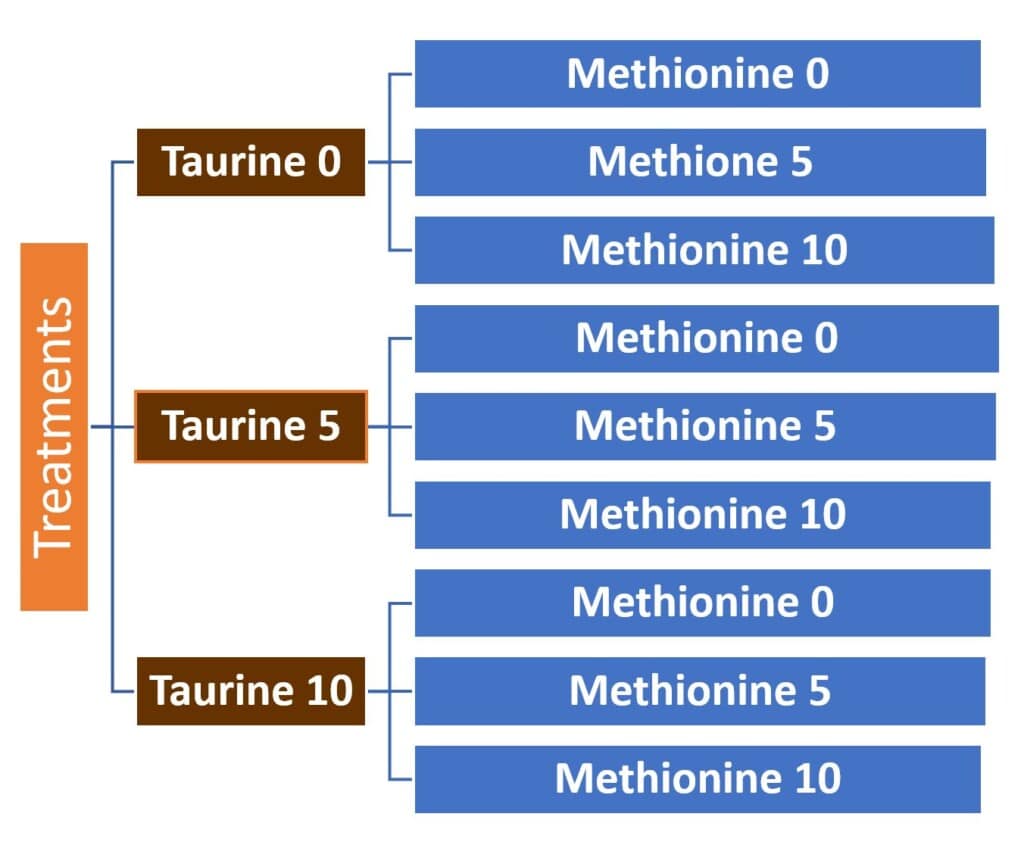
Figure 1. 9 experimental diets in 3×3 factorial design.
The relative body weight gains in 9 dietary treatments were shown in Figure 2. There was no interaction (P > 0.05) between Taurine and methionine supplementation. Adding about extra 6.5 g/kg taurine could optimize Rainbow Trout body weight gain.
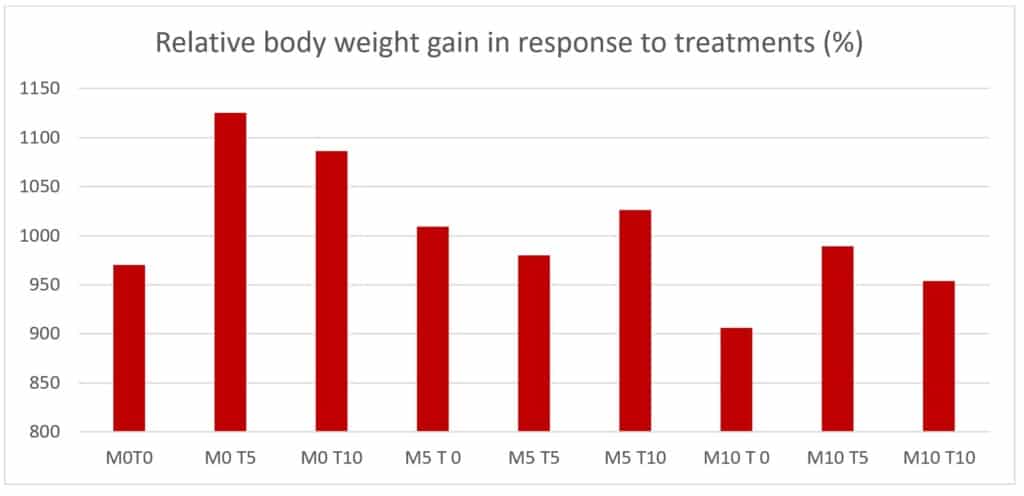
Figure 2. Relative body weight gain in response to taurine and methionine supplementation
A study compiled by our Redox Animal Nutritionists.
Gut health is important for weaning piglets, in particular when the high dosage of ZnO and antibiotics are removed from piglets feeds..
Apart from the dietary nutrients’ digestion and absorption, the gut is the largest immune organ in pigs and can be divided into four protection layers (Figure 1, Gao et al, 2020).
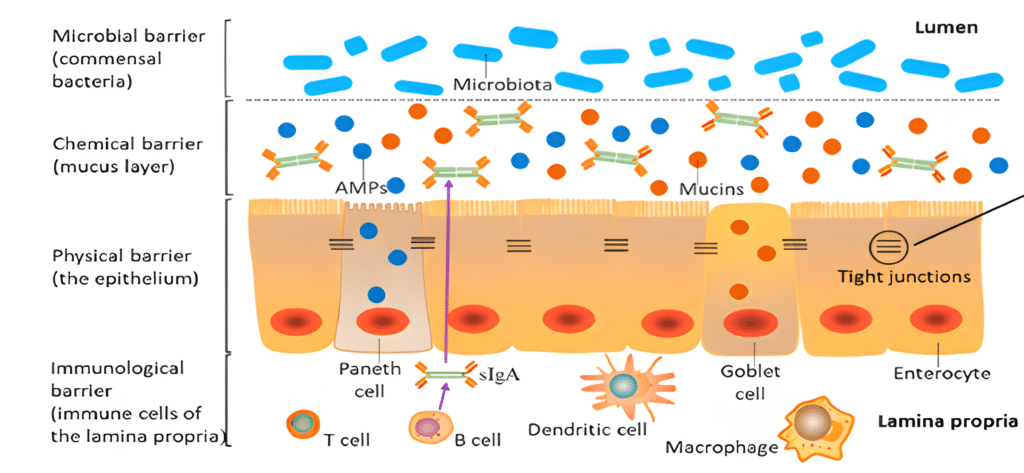
Figure 1. The different protective layers of the intestinal barrier
The commensal bacterial barrier is a complex environment playing a key role in maintaining the gut health; the chemical barrier consists of the mucus layer secreting mucins and antimicrobial peptides; the physical barrier is composed of epithelial cells and the immunological barrier harbouring the immune cells that secreted immune mediators such as cytokines and antibodies.
Traditionally bile acids are bio-surfactants, assisting intestinal digestion and absorption of lipids and fatty soluble vitamins such as Vitamin A, D, E and K, and thereby improving nutrient utilization. Recently, in the gut epithelial cell, bile acids are identified as signalling molecules to activate a couple of nuclear receptors, namely farnesoid X receptor (FXR), pregnane X receptor (PXR), Vitamin D receptor (VDR) and G-Protein coupled receptor (TGR5). Therefore, bile acids play an important role in regulating epithelial barrier functions.
In 2018, Ipharraguerre et al indicated that currently all alternatives including probiotics, prebiotics, organic acids, essential oils, antimicrobial and plants extracts to antibiotics or high dosage of ZnO underlined their growth promotion action. They demonstrated that either antibiotics or the high dosage of ZnO could activate bile acids receptors and consequently spare nutrients for growth and improve the metabolic efficiency of antibiotics or the high dosage of ZnO treated animals. Therefore, it is necessary for adding the exogenous bile acids to antibiotics free or the high dosage ZnO free diets in weaning piglets.
Based on experimental data in China, Belgium, adding 350 grams per MT feed commercially available exogenous bile acids could improve daily weight gain by 9% and FCR by 7 points.
Report by Redox Animal Nutritionists
Taurine is a β-amino acid containing a sulfonate instead of a carboxylic group in α-amino acids. It is vital for organ development and aging but not for protein synthesis. Taurine is needed for membrane stabilization, has cytoprotective and cell volume regulation effects, and maintains calcium homeostasis and signalling.
Aquatic feeds for farmed fish and shrimp are mainly made from protein rich ingredients such as fish meal, poultry by-product meal, soybean meal concentrate, yeast protein, pea protein concentrate, corn gluten meal and wheat gluten meal.
Historically fish meal has been the protein source of choice and currently there is no alternative to replace fish meal completely. It is probably since most alternative ingredients are deficient in one or more of the ten essential amino acids: lysine, methionine, threonine, valine, isoleucine, leucine, tryptophan, histidine, arginine, and phenylalanine. However, due to the high price and tight supply of fish meal, a steady decline of fish meal inclusion levels in aquacultural feeds has pushed higher inclusion levels of alternative protein rich ingredients supplemented crystalline essential amino acids.
Histidine is an integral component of a broad set of tissues including skin, bone, ligaments, and muscle. It also stimulates the digestive secretion of gastrin, a hormone that is essential for digestion of dietary protein. Histidine deficiency could induce a decrease in amino acids oxidation and a decrease protein turnover. For Atlantic salmon, it is reported that a minimum dietary histidine concentration of 1.4% is needed for the prevention of cataracts. Compared with fish meal, usually animal protein alternatives contain less histidine (Table 1). In Table 1, it is also clearly shown that using wheat gluten meal to replace soy protein concentrate might obtain similar histidine concentration but lower arginine concentration to that in fish meal.

Table 1 some essential amino acids in protein rich ingredients (%)
Histidine is an amino acid that has the most powerful impact on fish palatability and providing adequate levels of histidine is critically important for fish or shrimp growth. For shrimps, the dietary requirement of histidine is about 0.8%, corresponding to 2.2% dietary crude protein level. For Rainbow trout, the dietary requirement of histidine is about 0.6%, corresponding to 1.2% crude protein level. For Nile tilapia, the dietary requirement of histidine is about 1%, corresponding to 1.7% protein level. To prevent leaching of crystalline histidine, fish or shrimp diets can be bound with carboymethylcellulose, corn starch and K-carrageenan.
A study compiled by our Redox Animal Nutritionists.
Tannins are polyphenolic commands and the secondary metabolites of higher plants. Tannins are generally classified as condensed tannins, hydrolysed tannins and phlorotannins. Condensed tannins consist of flavan-3-ol subunit linked together to form oligomers and polymers, whereas hydrolysed tannins are easters of gallic or ellagic acid linked to polyol core.
Phlorotannins are structurally less complexed and occur only in marine brown algae. Because secondary metabolites serve as a part of plant chemical defence system against invasion by pathogens and attack by insects, tannins have shown antimicrobial, anti-parasitic, antioxidant, anti-inflammatory and anti-virus properties. Recently it was reported that condensed tannins significantly reduced methane emission, but hydrolysed tannins failed to affect methane reduction. However, both condensed tannins and hydrolysed tannins reduced Nitrous Oxide emission.
Feedlot and pasture frothy bloat is a serious and often fatal digestive disorder that develops in cattle or sheep when gas produced during fermentation of feeds is trapped within the rumen in the stable form and prevent eructation. Moderate levels of condensed tannins (<50 g/kg DM) reduce protein degradation in the rumen without depressing rumen fibre digestion or DM feed intake. It is generally believed that condensed tannins may bind protein in the rumen and reduce foam stability by avoiding microbial degradation and be absorbed in the small intestine.
Tannins exert their anti-parasitic effect by decreasing the viability of larvae, thus interfering with egg hatching, and improving the immunity (Table 1). Some tree bark is rich in plant second metabolites, especially condensed tannins.
Recently it was demonstrated that the tree bark-stripping behaviour is primarily for ruminants to acquire condensed tannins to repel gastrointestinal parasites.

Table 1 Effect of grazing condensed tannins forages and control forages on parasite state.
A study compiled by our Redox Animal Nutritionists.
Our Partnering Manufacturers